James Heale Political Journalist Profile Rising Westminster Voice Insight
A balanced success story of ambition, journalism power, political reporting strength, and evolving influence in British media landscape

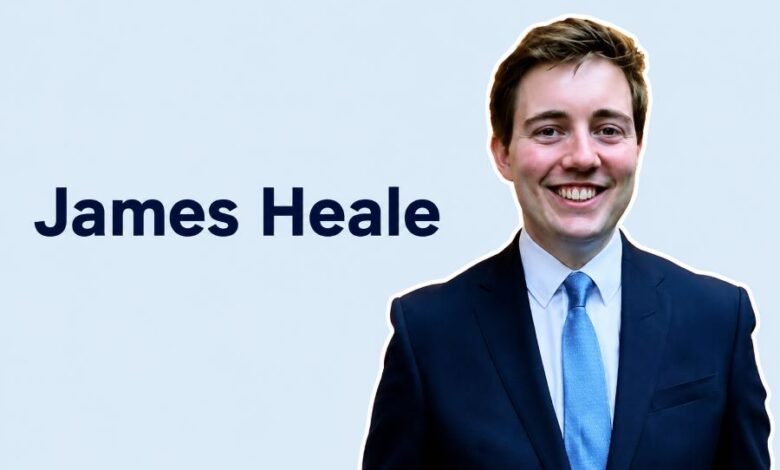
Table of Contents
ToggleIntroduction
James Heale is a British political journalist and commentator known for his sharp reporting style, deep understanding of Westminster politics, and consistent coverage of UK government affairs. He has built a strong reputation as a modern journalist who focuses on political analysis, party developments, and election reporting with clarity and detail.
James Heale Journalist career represents a blend of discipline, research-driven writing, and consistent media presence. His work reflects both positive recognition for accurate reporting and the challenging nature of political journalism where scrutiny and pressure remain constant. Over time, he has emerged as a respected voice in British political media, especially for readers interested in Conservative Party dynamics and UK parliamentary affairs.
Quick Bio
| Field | Details |
|---|---|
| Full Name | James Heale |
| Profession | Political Journalist, Author, Commentator |
| Nationality | British |
| Known For | Westminster Political Reporting |
| Current Role | Deputy Political Editor |
| Media House | The Spectator |
| Field | Political Journalism |
Early Life and Background
James Heale developed an early interest in politics and current affairs, which later shaped his career as a Journalist. His academic background in History helped him understand political systems, governance structures, and international relations, which became useful in his professional journey.
His early life reflects a focus on education and analytical thinking. Instead of pursuing a general media path, he directed his attention toward political journalism, which requires strong research skills, attention to detail, and the ability to interpret complex government matters in a simplified form for readers.
Education Background
James Heale studied History at the University of Bristol, where he developed strong academic writing and research skills. His educational background played an important role in shaping his journalism approach, especially in political analysis and structured reporting.
After university, he completed professional journalism training, strengthening his technical skills in news writing, reporting ethics, and editorial standards. This combination of academic and professional education prepared him for a competitive media industry.
Career Start and Journalism Journey
James Heale began his Journalism career by covering political developments and parliamentary activities in the United Kingdom. His early reporting focused on understanding how government decisions are made and how political parties operate within Westminster.
He gradually built experience through consistent political coverage, gaining recognition for his detailed reporting style. His work as a Journalist is defined by accuracy, structured storytelling, and deep political awareness.
His career progression reflects steady growth rather than sudden fame, showing dedication and long-term commitment to journalism.
Career Growth at The Spectator
James Heale became widely recognized through his association with The Spectator, a prominent British political magazine. At this platform, he worked in multiple editorial and reporting roles, gaining deeper insight into national politics.
He progressed through various positions including diary writing, political correspondence, and eventually became Deputy Political Editor. In this role, he covers major political events, leadership changes, elections, and policy debates.
His work at The Spectator highlights his ability to interpret political developments and present them in a readable format for the public.
Career Timeline
| Year | Career Milestone |
|---|---|
| Early Career | Began journalism in political reporting |
| After Graduation | Completed journalism training and entered media industry |
| Initial Years | Covered Westminster politics and parliamentary news |
| Mid Career | Joined The Spectator and began editorial responsibilities |
| Later Progression | Worked as Diary Editor and Political Correspondent |
| Current Role | Deputy Political Editor at The Spectator |
Writing Style and Journalism Strength
James Heale is known for his clear, structured, and fact-focused writing style. As a Political Journalist, he focuses on breaking down complex political events into understandable analysis for readers.
His writing often includes election insights, leadership analysis, and government policy interpretation. He is appreciated for maintaining balance in reporting while explaining political developments in detail.
His journalism reflects both analytical depth and readability, making his work suitable for general audiences and political readers.
Professional Achievements
James Heale has contributed significantly to modern British political journalism. His major achievements include:
- Establishing himself as a recognized Westminster reporter
- Working in senior editorial positions
- Becoming Deputy Political Editor at The Spectator
- Contributing to political analysis and commentary
- Co-authoring political literature focused on UK leadership events
His career demonstrates consistency and strong subject expertise in political journalism.
Political Coverage Areas
James Heale mainly focuses on:
- UK Parliament and Westminster politics
- Conservative Party developments
- Labour Party strategies
- Government policies and reforms
- Election campaigns and leadership contests
- Political commentary and analysis
His reporting helps readers understand the direction of British politics and government decisions.
Public Image and Influence
As a Journalist, James Heale is viewed as a reliable and analytical voice in British media. His reporting style is considered informative and structured, appealing to audiences who follow political news closely.
He is also recognized for maintaining professionalism in political journalism, focusing on facts rather than speculation. His influence continues to grow within political reporting circles.
Personal Life Overview
James Heale maintains a private personal life, and most of his public recognition comes from his journalism work. He focuses more on professional achievements than personal publicity.
His background shows a preference for privacy, allowing his work to remain at the center of public attention rather than personal details.
Challenges in Journalism Career
Like many Political Journalists, James Heale operates in a high-pressure environment. Political reporting requires accuracy, speed, and deep understanding of rapidly changing events.
Challenges in his career include:
- Covering fast-changing political developments
- Maintaining accuracy in breaking news
- Handling political sensitivity
- Working under editorial deadlines
Despite these challenges, he has maintained a consistent professional reputation.
Impact on Modern Journalism
James Heale contributes to modern journalism by providing structured political reporting and informed analysis. His work supports public understanding of UK politics and government decision-making.
He represents a generation of journalists who focus on clarity, analysis, and factual reporting in a highly competitive media environment.
Conclusion
James Heale stands out as a dedicated British Political Journalist who has built a strong reputation through consistent reporting, editorial growth, and political analysis. His journey from academic study to a senior editorial position reflects discipline and professional commitment.
His work at The Spectator continues to shape public understanding of Westminster politics, making him a notable voice in UK journalism. While he maintains a private personal life, his professional influence continues to grow in the field of political reporting.
Frequently Asked Questions
Who is James Heale
He is a British political journalist and Deputy Political Editor at The Spectator.
What is James Heale known for
He is known for Westminster political reporting and UK political analysis.
What is James Heale profession
He works as a Political Journalist, commentator, and editor.
Where did James Heale study
He studied History at the University of Bristol.
What does James Heale cover in journalism
He covers UK politics, elections, and government affairs.
What is James Heale current position
He is Deputy Political Editor at The Spectator.
Is James Heale married
His personal life is kept private and not publicly shared.
What is James Heale writing style
He uses clear, analytical, and fact-based political reporting style.
How did James Heale start his career
He started through political journalism and Westminster reporting.
Why is James Heale important in journalism
He is important for his structured political reporting and analysis of UK politics.