Michael Deacon Inspiring Journalism Journey Through Wit Influence and Success
A Respected Journalist Shaping Political Commentary with Sharp Insight

Introduction
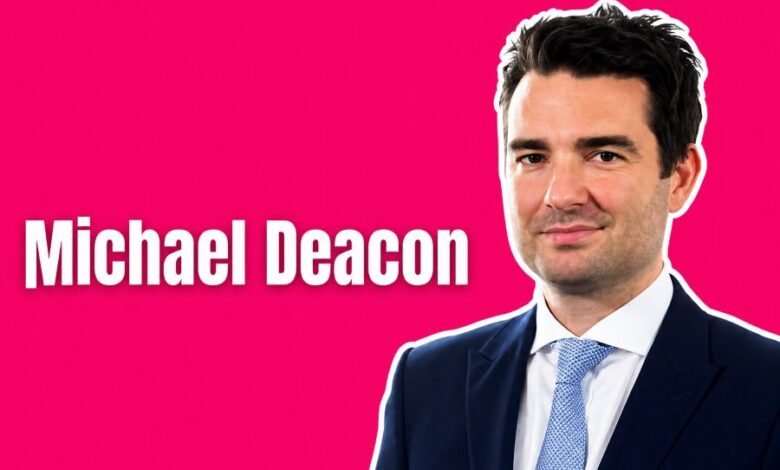
Michael Deacon is a well-known British journalist, political commentator, and columnist who has built a strong reputation through insightful reporting and sharp political satire. Over the years, he has become one of the most recognizable voices in British journalism, particularly through his work with The Telegraph. His ability to combine humor, analysis, and commentary has earned him respect among readers interested in politics and current affairs.
As a journalist, Michael Deacon has contributed significantly to modern political writing. His articles often provide readers with a unique perspective on government, society, and public policy. Through consistency, professionalism, and a distinctive writing style, he has established himself as an influential figure in the media industry.
Quick Bio
| Field | Details |
|---|---|
| Full Name | Michael Deacon |
| Profession | Journalist, Columnist, Political Commentator |
| Nationality | British |
| Ethnicity | White British |
| Birth Year | 1980 |
| Age (2026) | Approximately 46 Years |
| Education | University of Sheffield |
| Qualification | Bachelor of Arts Degree |
| Residence | Kent, England |
| Known For | Political Commentary and Journalism |
| Employer | The Telegraph |
| Years Active | More than 20 Years |
Early Life and Education
Michael Deacon was born in England in 1980 and developed an interest in writing and media from an early age. Although much of his personal background remains private, his later achievements demonstrate a strong commitment to education and communication. His ability to analyze social and political issues suggests that he cultivated a deep understanding of public affairs during his formative years.
For higher education, Deacon attended the University of Sheffield, one of the United Kingdom’s respected institutions. There he earned a Bachelor of Arts degree, which helped prepare him for a professional career in journalism. His academic foundation contributed to the analytical skills and writing abilities that would later define his success as a journalist.
Beginning of a Journalism Career
Like many successful media professionals, Michael Deacon started his career by gaining practical experience in journalism. His early professional work included writing for Zoo Weekly, where he learned the fundamentals of reporting, publishing, and engaging readers through effective storytelling.
This period was important because it allowed him to understand how the media industry operates. Working in a competitive environment helped him refine his writing style and develop the confidence needed to pursue larger opportunities within national journalism.
Rise as a Professional Journalist
Michael Deacon’s career reached a new level when he joined The Telegraph. Initially contributing as a culture writer, he demonstrated versatility and strong editorial skills. His ability to cover different topics effectively made him a valuable member of the publication.
As his reputation grew, he expanded into television criticism and opinion writing. These roles allowed him to showcase his analytical thinking while developing a distinctive voice. Readers appreciated his balanced observations and engaging writing style, helping him gain a loyal audience.
Success as a Political Commentator
Political journalism became one of Michael Deacon’s strongest areas of expertise. He developed a reputation for explaining complex political events in a way that was both informative and entertaining. His commentary often highlights the human side of politics while maintaining journalistic professionalism.
His political articles gained attention because they combined facts with thoughtful interpretation. Rather than simply reporting events, he provided context and insight, helping readers understand broader implications and developments within British politics.
Parliamentary Sketch Writing
One of the defining moments of Michael Deacon’s career came in 2011 when he became The Telegraph’s parliamentary sketch writer. This prestigious role placed him among Britain’s leading political observers.
Parliamentary sketch writing requires a unique combination of humor, observation, and political understanding. Deacon excelled in this position by producing articles that captured both the serious and absurd aspects of political life. His sketches became widely read and helped strengthen his standing as a respected journalist.
Career Timeline
| Year | Career Milestone |
|---|---|
| Early 2000s | Graduated from the University of Sheffield |
| Early Career | Worked for Zoo Weekly |
| Mid Career | Became a television critic |
| Joined The Telegraph | Started as a culture writer |
| 2011 | Appointed Parliamentary Sketch Writer |
| 2014 | Shortlisted for British Press Awards |
| 2021 | Took over The Way of the World column |
| 2026 | Continues as Assistant Editor and Senior Columnist |
Achievements and Recognition
Throughout his career, Michael Deacon has received recognition for his contributions to journalism. His work as a television critic and columnist attracted industry attention and demonstrated his versatility as a writer.
A significant achievement came in 2014 when he was shortlisted for British Press Awards categories including Broadcast Columnist of the Year and Critic of the Year. These nominations reflected the quality and influence of his work within the media industry.
Recognition from respected journalism organizations is important because it highlights professional excellence. Deacon’s achievements show that his contributions have been appreciated not only by readers but also by industry experts.
Writing Style and Professional Strengths
One of Michael Deacon’s greatest strengths as a journalist is his ability to communicate complex subjects clearly. His writing often combines intelligence, humor, and accessibility, making political topics easier for readers to understand.
His articles are known for balanced observations and thoughtful analysis. Instead of relying solely on criticism, he often explores different perspectives and encourages readers to think critically about current events.
Another strength is consistency. Maintaining a successful journalism career for more than two decades requires dedication, adaptability, and a commitment to high editorial standards. These qualities have contributed significantly to his long-term success.
Influence on Modern Journalism
Michael Deacon has helped shape contemporary political commentary in Britain. Through his work, he has demonstrated how journalism can remain informative while also being engaging and entertaining.
Many readers appreciate his ability to explain political developments without unnecessary complexity. This approach has helped broaden public understanding of important issues and increased interest in political reporting.
His influence extends beyond individual articles. As an assistant editor and senior columnist, he contributes to discussions that help shape public opinion and media coverage of political events.
Net Worth and Sources of Income
Michael Deacon’s professional success has contributed to his financial stability. While exact figures are not publicly confirmed, estimates place his net worth between $1 million and $3 million.
His income primarily comes from journalism-related activities. These include newspaper columns, editorial responsibilities, political commentary, feature writing, and other media-related work. His long-standing association with a major publication has played a key role in his career growth and earning potential.
Personal Life
Michael Deacon is known for maintaining a private personal life. Unlike many public figures, he focuses public attention on his professional work rather than personal matters.
His preference for privacy has allowed him to keep the spotlight on his journalism career. Readers generally know him through his articles and commentary rather than through media appearances centered on personal topics.
This approach has helped preserve a professional image while ensuring that his work remains the primary focus of public discussion.
Legacy and Future Outlook
Michael Deacon’s legacy is closely connected to his contributions to political journalism and commentary. Through thoughtful analysis, satire, and professional reporting, he has established a respected place within British media.
His work demonstrates that journalism can be both informative and engaging. By combining factual reporting with insightful commentary, he has helped readers better understand political developments and social issues.
As media continues to evolve, Michael Deacon remains an important voice in journalism. His experience, credibility, and distinctive writing style ensure that his influence will continue to be felt in the years ahead.
Conclusion
Michael Deacon has built an impressive career as a journalist, columnist, and political commentator. From his early days at Zoo Weekly to becoming a leading figure at The Telegraph, his professional journey reflects dedication, talent, and continuous growth.
His success as a journalist is rooted in strong writing skills, analytical thinking, and a commitment to informing readers. Through political commentary, parliamentary sketches, and editorial leadership, he has made a lasting contribution to British journalism and continues to influence public discussion through his work.
FAQ
Who is Michael Deacon?
Michael Deacon is a British journalist, columnist, and political commentator.
What is Michael Deacon known for?
He is best known for political commentary and parliamentary sketch writing.
What is Michael Deacon’s nationality?
He is British.
How old is Michael Deacon?
He is approximately 46 years old as of 2026.
Where did Michael Deacon study?
He studied at the University of Sheffield.
What degree does Michael Deacon hold?
He holds a Bachelor of Arts degree.
Where does Michael Deacon live?
He resides in Kent, England.
What newspaper does Michael Deacon work for?
He works for The Telegraph.
When did Michael Deacon become a parliamentary sketch writer?
He became a parliamentary sketch writer in 2011.
What is Michael Deacon’s profession?
He is a journalist, columnist, and political commentator