Carol Rumens Inspiring Literary Legacy and Lasting Influence Through Timeless Poetry
Discover the remarkable journey, achievements, and enduring impact of one of Britain's most respected poets.

Introduction
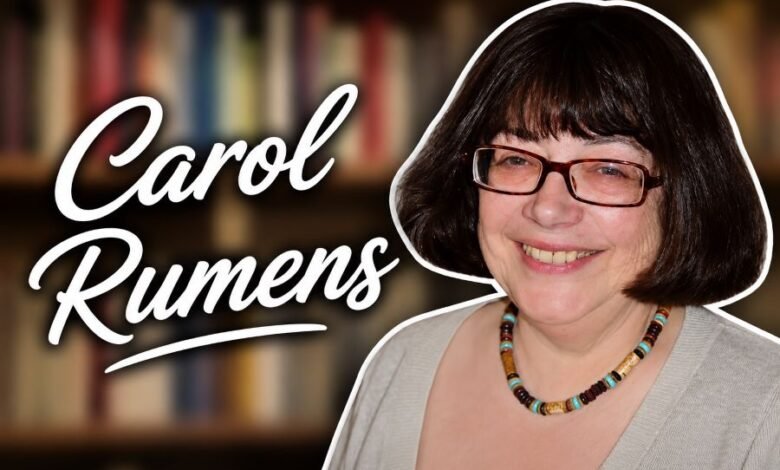
Carol Rumens was one of the most admired voices in contemporary British literature. As a celebrated British poet, translator, editor, playwright, novelist, and educator, she spent more than five decades enriching the literary world with thoughtful poetry and insightful criticism. Her work explored themes such as identity, memory, migration, politics, culture, and the human experience, making her an influential figure in modern English literature.
Known for her famous poem The Émigrée and her long-running “Poem of the Week” column in The Guardian, Carol Rumens inspired readers, students, and fellow writers across generations. Her commitment to poetry, education, and literary excellence earned her widespread respect throughout the United Kingdom and beyond.
Quick Bio
| Information | Details |
|---|---|
| Full Name | Carol Rumens |
| Birth Name | Carol-Ann Lumley |
| Profession | British Poet, Translator, Playwright, Novelist, Editor, Literary Critic, Educator |
| Famous For | The Émigrée, Contemporary Poetry |
| Date of Birth | 10 December 1944 |
| Birthplace | Forest Hill, London, England |
| Nationality | British |
| Citizenship | United Kingdom |
| Languages | English |
| Zodiac Sign | Sagittarius |
| School | Manchester Grammar School |
| University | University of London |
| Qualification | Postgraduate Diploma in Writing for the Stage |
| Marital Status | Divorced |
| Former Spouse | David Rumens |
| Partner | Yuri Drobyshev |
| Children | Two daughters |
| Date of Death | 25 April 2026 |
| Cause of Death | Brain tumour |
Early Life and Childhood
Carol Rumens was born as Carol-Ann Lumley on 10 December 1944 in Forest Hill, London. Growing up in South London, she developed a deep appreciation for books and language from an early age. Reading poetry became one of her greatest passions, encouraging her to begin writing while she was still young.
Her childhood was shaped by curiosity, creativity, and a love of learning. These early experiences laid the foundation for a remarkable literary career that would later influence readers, students, and aspiring writers around the world.
Family Background
Carol Rumens was born to Wilfred Lumley and Marjorie Lumley. Her father served as a naval officer during the Second World War before later working as a shipping broker, while her mother played an important role in supporting the family.
Although Carol valued her personal life, she generally kept family matters private. She later married International Chess Master David Rumens, and together they had two daughters before the marriage ended in divorce. Later in life, she shared a long personal and professional partnership with Russian poet and translator Yuri Drobyshev.
Education
Education played an important role in Carol Rumens’ development as a writer. She attended Manchester Grammar School on scholarship, where she continued to nurture her passion for literature and creative writing.
She later studied Philosophy at the University of London before leaving to pursue writing. She also earned a Postgraduate Diploma in Writing for the Stage from City College Manchester with distinction, strengthening her skills across multiple literary forms.
Career Beginnings
Carol Rumens began publishing poetry in the early 1970s. Her first poetry collection, A Strange Girl in Bright Colours, introduced readers to a fresh literary voice filled with imagination, emotion, and social awareness.
Rather than following literary trends, she developed her own distinctive style. Her poetry combined lyrical beauty with thoughtful commentary on identity, history, politics, and belonging, helping her stand out among contemporary British writers.
Breakthrough as a British Poet
Carol Rumens gradually established herself as one of Britain’s leading poets through a series of acclaimed poetry collections. Her writing earned praise for its emotional depth, cultural awareness, and elegant language.
One of her greatest achievements was writing The Émigrée, a poem that became widely studied in British schools. Its exploration of exile, memory, and homeland introduced countless students to her work and secured her place within modern English literature.
Complete Career Overview
Throughout her career, Carol Rumens worked across many literary fields. In addition to poetry, she wrote novels, plays, literary criticism, and essays while also translating important works from Russian literature into English.
She served as Poetry Editor for respected literary publications and later became the author of The Guardian’s highly regarded “Poem of the Week” column. Her thoughtful analyses introduced readers to classic and contemporary poetry while encouraging a wider appreciation of literature.
Career Timeline
1944
Born in Forest Hill, London.
Early 1970s
Began publishing poetry professionally.
1973
Released her debut poetry collection A Strange Girl in Bright Colours.
1984
Elected Fellow of the Royal Society of Literature.
1990s–2010s
Taught creative writing at several universities in the United Kingdom and internationally.
2007
Began writing “Poem of the Week” for The Guardian.
2026
Passed away after a distinguished literary career spanning more than fifty years.
Major Achievements
Carol Rumens earned recognition as one of Britain’s most respected literary figures. Her work influenced both contemporary poets and students studying English literature.
She successfully balanced writing, teaching, editing, criticism, and translation throughout her career. Her dedication demonstrated that poetry could remain both intellectually rich and accessible to general readers.
Awards and Honors
Carol Rumens received several prestigious literary honors during her lifetime. She became a Fellow of the Royal Society of Literature and won the Cholmondeley Award along with the Prudence Farmer Prize.
She was also jointly awarded the Alice Hunt Bartlett Award and was shortlisted twice for the Forward Prize, reflecting the high regard in which her work was held.
Most Popular Works
Among Carol Rumens’ many publications, The Émigrée remains her most widely recognized poem. It continues to be studied in classrooms for its powerful themes of memory, identity, and displacement.
Other notable books include A Strange Girl in Bright Colours, Animal People, Blind Spots, De Chirico’s Threads, Smart Devices, and Perhaps Bag. These collections highlight the breadth of her literary imagination and artistic development.
Teaching and Literary Influence
Beyond publishing books, Carol Rumens made a lasting contribution through education. She taught creative writing at several universities, helping aspiring writers improve their craft while encouraging originality and critical thinking.
Her influence extended far beyond the classroom. Through lectures, essays, and newspaper columns, she introduced countless readers to both classic and modern poetry, strengthening appreciation for literature across different generations.
Writing Style and Legacy
Carol Rumens’ poetry is admired for its intelligence, compassion, and emotional honesty. She frequently explored themes including migration, politics, identity, history, memory, and cultural understanding without losing sight of personal experience.
Her ability to combine lyrical beauty with meaningful social commentary has ensured that her work continues to inspire readers. Today, she is remembered as an outstanding British poet whose contributions have become an important part of modern English literature.
Death and Lasting Impact
Carol Rumens passed away on 25 April 2026 after being diagnosed with a brain tumour. News of her death prompted tributes from fellow writers, literary organizations, educators, and readers who celebrated her lifelong dedication to poetry.
Although her passing marked the end of an extraordinary career, her poems continue to educate, inspire, and encourage reflection. Her literary legacy remains firmly established through her published works and the many students who continue to study them.
Conclusion
Carol Rumens leaves behind an extraordinary literary legacy built on creativity, dedication, and intellectual curiosity. From her early poetry collections to her influential educational work and celebrated newspaper column, she consistently demonstrated the enduring power of language and imagination.
As a distinguished British poet, translator, teacher, and critic, Carol Rumens enriched modern literature through thoughtful writing that continues to resonate with readers worldwide. Her work reminds us that poetry can preserve memory, inspire hope, challenge ideas, and connect people across cultures and generations.
FAQ
1. Who was Carol Rumens?
Carol Rumens was a celebrated British poet, translator, editor, novelist, playwright, and educator.
2. What was Carol Rumens’ birth name?
Her birth name was Carol-Ann Lumley.
3. When was Carol Rumens born?
She was born on 10 December 1944.
4. Where was Carol Rumens born?
She was born in Forest Hill, London, England.
5. Who was Carol Rumens’ former spouse?
She was previously married to International Chess Master David Rumens.
6. Did Carol Rumens have children?
Yes, she had two daughters.
7. What was Carol Rumens famous for?
She was famous for The Émigrée, her poetry collections, and her “Poem of the Week” column.
8. What awards did Carol Rumens receive?
She received the Cholmondeley Award, the Prudence Farmer Prize, and became a Fellow of the Royal Society of Literature.
9. When did Carol Rumens begin her writing career?
She began publishing poetry professionally in the early 1970s.
10. What is Carol Rumens’ literary legacy?
She is remembered as one of the most influential British poets of her generation whose work continues to inspire readers and students worldwide.