Plum Tomato Complete Guide to Uses Benefits and Growing Tips
Everything you need to know about plum tomatoes for cooking, nutrition, and home gardening.

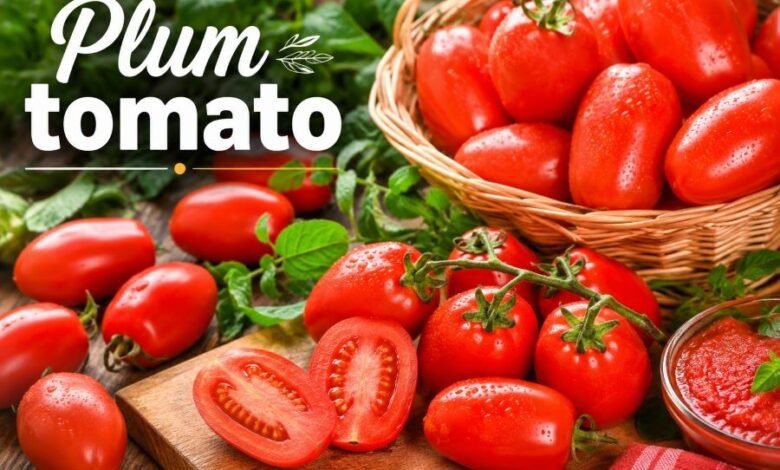
Plum tomato is one of the most popular tomato varieties used in kitchens around the world. Known for its firm flesh, fewer seeds, and rich flavor, it is the preferred choice for making pasta sauces, tomato paste, pizza sauce, soups, and canned tomatoes. Unlike regular round tomatoes, plum tomatoes contain less water, making them ideal for recipes that require thick and concentrated tomato flavor.
Whether you’re a home cook, gardener, or food enthusiast, understanding the unique qualities of plum tomatoes can help you make better choices in the kitchen and the garden.
Table of Contents
ToggleWhat Is a Plum Tomato?
A plum tomato is a type of tomato specifically bred for processing and cooking. It is typically oval or cylindrical in shape and contains dense, meaty flesh with fewer seed compartments than standard tomatoes. Because of its lower moisture content, it cooks down quickly and produces thicker sauces without requiring long simmering times.
Plum tomatoes are also known as:
- Paste tomatoes
- Processing tomatoes
- Italian tomatoes (for some varieties)
Characteristics of Plum Tomatoes
Here are the main features that distinguish plum tomatoes:
Oval Shape
Unlike round slicing tomatoes, plum tomatoes have an elongated, egg-like appearance.
Thick Flesh
Their flesh is firm and meaty, making them excellent for cooking.
Fewer Seeds
They contain fewer seeds than many other tomato varieties, improving texture in sauces.
Low Water Content
Less juice means richer flavor and quicker cooking times.
Rich Taste
They offer a balanced sweetness and acidity that enhances many recipes.
Popular Plum Tomato Varieties
Several well-known cultivars belong to the plum tomato family.
Roma Tomatoes
Roma tomatoes are among the most common varieties found in supermarkets. They’re affordable, versatile, and perfect for homemade sauces.
San Marzano
Originating from Italy, San Marzano tomatoes are prized by chefs for their naturally sweet flavor and low acidity. They are often considered one of the best tomatoes for authentic Italian cooking.
Amish Paste
A larger heirloom variety known for excellent flavor and high yields.
Big Mama
A hybrid plum tomato that produces large fruits ideal for making tomato paste and sauces.
Nutritional Value
Plum tomatoes are low in calories and rich in essential nutrients.
They provide:
- Vitamin C
- Vitamin A
- Potassium
- Dietary fiber
- Folate
- Lycopene, a powerful antioxidant responsible for their red color
These nutrients support overall health while adding flavor to meals.
Health Benefits of Plum Tomatoes
Rich in Antioxidants
Plum tomatoes contain lycopene, which helps protect cells from oxidative stress.
Supports Heart Health
The combination of potassium and antioxidants may contribute to maintaining healthy blood pressure and cardiovascular health.
Good for Skin
Vitamin C supports collagen production, which helps maintain healthy skin.
Helps Digestion
Fiber promotes healthy digestion and supports gut health.
Weight-Friendly Food
Low calories and high water content make plum tomatoes a smart addition to balanced diets.
Best Culinary Uses
Plum tomatoes shine in cooked dishes because of their dense texture.
Tomato Sauce
They create thick, flavorful sauces without excessive reduction.
Pizza Sauce
Their concentrated flavor makes homemade pizza sauce taste richer.
Tomato Paste
Plum tomatoes are commonly processed into commercial tomato paste.
Soups
They blend smoothly into creamy or rustic tomato soups.
Salsa
Fresh plum tomatoes produce chunky, flavorful salsa.
Roasted Tomatoes
Roasting intensifies their natural sweetness and creates a delicious side dish.
Canning
Their firm texture allows them to hold up well during preservation.
Growing Plum Tomatoes
Growing plum tomatoes at home is relatively simple.
Sunlight
Provide at least six to eight hours of direct sunlight daily.
Soil
Use fertile, well-drained soil enriched with compost.
Watering
Maintain consistent watering while avoiding waterlogged soil.
Fertilizer
Feed plants with balanced tomato fertilizer during the growing season.
Support
Use stakes or cages to support heavy fruit production.
Harvest
Pick tomatoes once they develop full color and feel slightly firm.
Common Growing Problems
Like other tomatoes, plum tomatoes may experience:
- Blossom end rot
- Early blight
- Late blight
- Aphids
- Whiteflies
- Hornworms
Proper watering, crop rotation, and regular plant inspection help reduce these problems.
How to Store Plum Tomatoes
Fresh plum tomatoes can be stored:
- At room temperature until fully ripe.
- In the refrigerator only after reaching peak ripeness.
- Frozen for long-term storage.
- Canned for year-round use.
Avoid refrigerating unripe tomatoes because it can reduce flavor.
Plum Tomato vs Regular Tomato
| Feature | Plum Tomato | Regular Tomato |
|---|---|---|
| Shape | Oval | Round |
| Water Content | Low | Higher |
| Seeds | Fewer | More |
| Best Use | Sauces and cooking | Salads and sandwiches |
| Texture | Firm | Juicy |
Buying Tips
When shopping for plum tomatoes:
- Choose firm fruits with bright, even color.
- Avoid bruised or wrinkled tomatoes.
- Look for heavy tomatoes, which usually indicate freshness.
- Buy local produce when possible during peak season.
Frequently Asked Questions
Are Roma tomatoes plum tomatoes?
Yes. Roma tomatoes are one of the most popular types of plum tomatoes.
Can plum tomatoes be eaten raw?
Absolutely. Although they are famous for cooking, many people enjoy them fresh in salads and sandwiches.
Why are plum tomatoes better for sauce?
Their low water content and meaty texture produce thicker, richer sauces with less cooking time.
Are plum tomatoes healthy?
Yes. They provide vitamins, minerals, fiber, and antioxidants while remaining low in calories.
Conclusion
Plum tomatoes are among the most versatile tomato varieties available. Their dense texture, concentrated flavor, and low moisture content make them the top choice for sauces, soups, pizza, canning, and countless Italian-inspired dishes. Whether you’re growing them in your backyard or buying them fresh from the market, plum tomatoes offer exceptional taste, impressive nutritional value, and reliable cooking performance.