Fran Unsworth Inspiring Journey Through BBC Leadership and Journalism
How a British Journalist and Former Director of the BBC World Service Shaped Modern Broadcasting Despite Challenges and Controversies

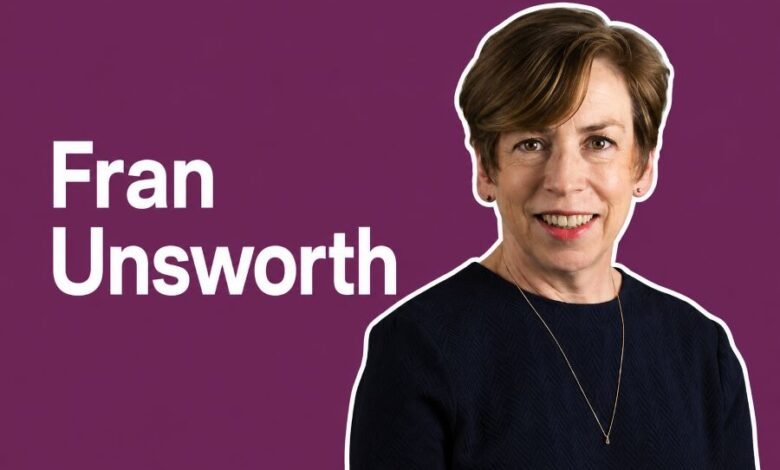
Table of Contents
ToggleIntroduction
Fran Unsworth is one of the most respected figures in British broadcasting history. Known for her dedication to journalism, strong editorial leadership, and decades of service at the BBC, she played a significant role in shaping modern news coverage in the United Kingdom and around the world. As a British journalist and former director of the BBC World Service, Unsworth helped guide the organization through periods of rapid technological change, political uncertainty, and global events that demanded accurate and reliable reporting.
Her career demonstrates both the positive impact and the challenges that come with leading one of the world’s largest news organizations. While she earned praise for expanding international journalism and strengthening news operations, she also faced criticism during several high-profile controversies. Nevertheless, her contribution to public service broadcasting remains substantial.
Quick Bio
| Field | Details |
|---|---|
| Full Name | Francesca Mary Unsworth |
| Known As | Fran Unsworth |
| Date of Birth | 29 December 1957 |
| Age | 68 Years (2026) |
| Birthplace | Stoke-on-Trent, Staffordshire, England |
| Nationality | British |
| Profession | Journalist, Broadcaster, Media Executive |
| Education | University of Manchester |
| Famous For | Director of BBC News and Current Affairs |
| Years Active | 1980–2022 |
| Former Position | Director of BBC News and Current Affairs |
| Notable Role | Former Director of the BBC World Service |
Early Life and Educational Background
Fran Unsworth was born on 29 December 1957 in Stoke-on-Trent, Staffordshire, England. Growing up in the Midlands, she developed an early interest in communication, storytelling, and the performing arts. Her upbringing helped shape the curiosity and determination that later became essential qualities in her journalism career.
She attended St Dominic’s High School before continuing her education at the University of Manchester. There, she studied Drama and initially considered pursuing a career in acting. Although her original ambitions were focused on the arts, she eventually discovered a passion for journalism and broadcasting, leading her toward a very different professional path.
Beginning of a Remarkable Career
First Steps at the BBC
Fran Unsworth began her broadcasting career in 1980 when she joined BBC Local Radio. Working at local stations gave her practical experience in news gathering, production, and audience engagement. These early years provided the foundation for her future success.
She worked with BBC Radio Leicester and BBC Radio Bristol, where she developed strong editorial skills and gained firsthand experience covering local stories. Her ability to manage news operations and produce compelling content quickly attracted attention within the organization.
Moving into National Broadcasting
After proving herself in local radio, Unsworth moved into national broadcasting. She became involved with Radio 1 Newsbeat and later worked on several respected BBC radio programs. These positions expanded her understanding of national and international news coverage.
Her growing reputation as a capable journalist and producer helped open doors to senior leadership opportunities within the BBC.
Career Growth and Leadership
Expanding Responsibilities
During the 1990s and early 2000s, Fran Unsworth held several increasingly important editorial roles. She worked within the BBC’s newsgathering division and became known for her ability to coordinate complex news operations.
Her leadership skills were recognized across the organization, leading to appointments in some of the BBC’s most influential departments. She helped oversee political reporting, domestic news coverage, and major breaking stories.
Head of Political Programmes
As Head of Political Programmes, Unsworth played a crucial role in overseeing political journalism during important periods in British politics. She managed coverage that informed millions of viewers and listeners about elections, government decisions, and national debates.
This role strengthened her reputation as a trusted editorial leader capable of handling sensitive and high-profile news coverage.
Fran Unsworth and BBC Newsgathering
Leading a Global Operation
One of the most significant milestones in her career came when she became Head of Newsgathering. In this position, she supervised one of the largest news-gathering networks in the world.
The role required coordination with correspondents, producers, and journalists across multiple countries. Her team covered everything from political developments and natural disasters to international conflicts and humanitarian crises.
Building Editorial Standards
Unsworth focused on maintaining high journalistic standards while adapting to changes in digital media. She encouraged innovation while preserving the BBC’s commitment to accuracy and impartiality.
Her efforts helped strengthen the organization’s ability to deliver reliable information in an increasingly competitive media environment.
Becoming Director of the BBC World Service
Historic Appointment
In 2014, Fran Unsworth achieved a historic milestone when she became the first woman appointed Director of the BBC World Service. This achievement marked an important moment in the organization’s long history.
As a British journalist and former director of the BBC World Service, she oversaw international broadcasting operations reaching audiences across numerous countries and languages.
Expanding Global Journalism
During her leadership, the BBC World Service expanded significantly. New language services were introduced, and investments were made to improve international news coverage.
Her work helped ensure that BBC journalism remained accessible to audiences around the world. The expansion strengthened the organization’s reputation as a trusted source of global news and information.
Director of BBC News and Current Affairs
Leading the BBC’s News Division
In 2018, Fran Unsworth became Director of BBC News and Current Affairs. This position placed her in charge of television news, radio news, digital journalism, and current affairs programming.
She became responsible for thousands of journalists and media professionals working across the BBC’s extensive news network.
Major Events During Her Leadership
Several major events occurred during her time as Director of BBC News and Current Affairs.
These included Brexit developments, United Kingdom general elections, the COVID-19 pandemic, and numerous international stories that required extensive news coverage. Managing reporting during such significant events demonstrated her experience and leadership capabilities.
Challenges and Criticism
Difficult Decisions
Like many senior media executives, Fran Unsworth faced criticism and controversy during her career. Leading a major news organization often requires difficult decisions that attract public scrutiny.
Some editorial choices and news coverage decisions became subjects of public debate. These situations highlighted the challenges associated with maintaining journalistic standards in a highly visible media environment.
Balancing Expectations
The BBC operates under intense public and political scrutiny. As a senior executive, Unsworth was required to balance audience expectations, editorial independence, and organizational responsibilities.
While some decisions generated criticism, others received praise for maintaining professional journalism standards during complex situations.
Career Timeline
| Year | Career Milestone |
|---|---|
| 1980 | Joined BBC Local Radio |
| 1980s | Worked at BBC Radio Leicester and BBC Radio Bristol |
| Late 1980s | Joined Radio 1 Newsbeat |
| 1990–1991 | Worked in Washington D.C. during Gulf Crisis coverage |
| 1993 | Joined BBC Newsgathering Department |
| 2001 | Became Head of Political Programmes |
| 2005 | Appointed Head of Newsgathering |
| 2013 | Became Deputy Director of News and Current Affairs |
| 2014 | Appointed Director of the BBC World Service |
| 2018 | Became Director of BBC News and Current Affairs |
| 2022 | Retired from the BBC |
Leadership Style and Professional Reputation
Calm and Experienced Leadership
Colleagues frequently described Fran Unsworth as calm, professional, and highly experienced. Her decades of newsroom experience allowed her to understand both the editorial and operational sides of journalism.
She developed a reputation for thoughtful decision-making and effective management during challenging circumstances.
Influence on Modern Broadcasting
Her influence extended beyond daily news operations. She contributed to the modernization of broadcasting practices and helped guide the BBC through the digital transformation era.
Many journalists and media professionals viewed her as a mentor and respected leader.
Retirement and Lasting Impact
After more than forty years of service, Fran Unsworth retired from the BBC in 2022. Her departure marked the end of one of the most distinguished careers in British journalism.
Her contributions continue to influence newsroom practices, editorial standards, and international broadcasting strategies. The achievements of this British journalist and former director of the BBC World Service remain an important part of BBC history.
Conclusion
Fran Unsworth’s career reflects dedication, resilience, and leadership in modern journalism. From her beginnings in local radio to becoming one of the most powerful figures within the BBC, she consistently demonstrated a commitment to public service broadcasting. Although her career included challenges and criticism, her accomplishments significantly outweighed the difficulties.
As a British journalist and former director of the BBC World Service, Fran Unsworth helped shape international journalism, expanded global news coverage, and led the BBC through some of the most important events of the modern era. Her legacy remains an important chapter in the history of British broadcasting.
Frequently Asked Questions (FAQ)
Who is Fran Unsworth?
Fran Unsworth is a British journalist and former BBC media executive.
What is Fran Unsworth’s real name?
Her real name is Francesca Mary Unsworth.
When was Fran Unsworth born?
She was born on 29 December 1957.
Where was Fran Unsworth born?
She was born in Stoke-on-Trent, Staffordshire, England.
What is Fran Unsworth’s nationality?
She is British.
What did Fran Unsworth study at university?
She studied Drama at the University of Manchester.
What is Fran Unsworth famous for?
She is known for leading BBC News and the BBC World Service.
Was Fran Unsworth Director of the BBC World Service?
Yes, she became Director of the BBC World Service in 2014.
When did Fran Unsworth join the BBC?
She joined BBC Local Radio in 1980.
When did Fran Unsworth retire?
She retired from the BBC in 2022