Francesca Happé Inspiring Autism Research Legacy Shaping Modern Neuroscience
How a British neuroscientist transformed autism research through groundbreaking discoveries, influential leadership, and lifelong dedication to understanding the human mind

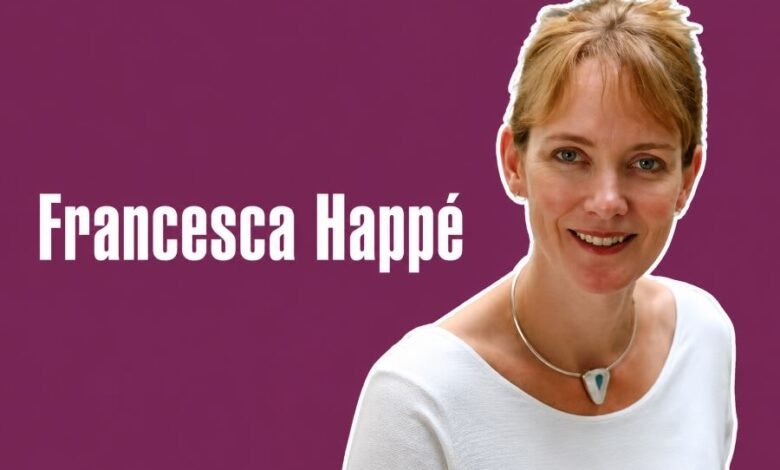
Table of Contents
ToggleIntroduction
Francesca Happé is one of the most respected figures in modern psychology and neuroscience. Known worldwide for her pioneering work on autism spectrum conditions, she has helped reshape scientific understanding of how autistic individuals think, communicate, and experience the world. Her research has influenced clinicians, educators, policymakers, and families across the globe.
As a leading British neuroscientist, Francesca Happé has spent more than three decades studying autism, social cognition, neurodiversity, and aging. While many early theories focused primarily on deficits associated with autism, her work highlighted both challenges and strengths, helping create a more balanced and compassionate understanding of autistic people. Through groundbreaking research, academic leadership, and public engagement, she has become one of the most influential voices in autism science.
Quick Bio
| Field | Details |
|---|---|
| Full Name | Francesca Gabrielle Elizabeth Happé |
| Birth Year | 1967 |
| Age | 59 Years (as of 2026) |
| Birth Place | Cambridge, England |
| Nationality | British |
| Profession | Cognitive Neuroscientist, Autism Researcher |
| Education | University of Oxford, University College London |
| Known For | Autism Research and Theory of Mind |
| Current Position | Professor of Cognitive Neuroscience |
| Years Active | 1991–Present |
| Major Honor | Commander of the Order of the British Empire (CBE) |
Early Life and Family Background
Francesca Happé was born in Cambridge, England, in 1967. She grew up in an intellectually stimulating environment where curiosity and learning were encouraged from an early age. Her family valued education and scientific inquiry, which helped shape her future career interests.
One significant influence in her life was her grandfather, who worked as a scientist for Technicolor. His scientific background exposed Francesca to the world of research and innovation. These early experiences encouraged her fascination with understanding how people think, learn, and interact with one another.
Growing up in one of Britain’s most academically respected cities also contributed to her passion for learning. Cambridge’s rich educational culture provided an inspiring backdrop during her formative years and helped nurture her interest in psychology and human behavior.
Education and Academic Development
Francesca Happé pursued higher education at the University of Oxford, where she studied Experimental Psychology. During her undergraduate years, she became increasingly interested in developmental psychology and cognitive science.
A turning point came when she participated in research projects focused on autism. At that time, autism research was still developing, and many important questions remained unanswered. Happé recognized an opportunity to contribute meaningful scientific knowledge to an emerging field.
Following her undergraduate studies, she attended University College London for her doctoral research. Under the supervision of renowned psychologist Uta Frith, she completed a PhD focused on autism and social cognition. This academic foundation would become the starting point for a remarkable research career.
Career Beginnings
After completing her PhD in 1991, Francesca Happé joined the Medical Research Council Cognitive Development Unit. This position allowed her to continue exploring questions related to autism and cognitive development.
During the early years of her career, she focused on understanding how autistic individuals interpret social information. Researchers were increasingly interested in understanding why social communication differences occurred in autism, and Happé’s work quickly gained recognition for its originality and scientific rigor.
Her early studies established her reputation as an innovative researcher capable of combining theoretical insight with practical applications. These achievements laid the groundwork for her future contributions to autism science.
Francesca Happé and Theory of Mind Research
One of Francesca Happé’s most important contributions involves the concept of Theory of Mind. This area of research explores how individuals understand the beliefs, intentions, emotions, and perspectives of others.
Her work helped scientists better understand social cognition in autism. Through carefully designed experiments and observations, she demonstrated how autistic individuals may process social information differently from non-autistic individuals.
These findings significantly influenced both academic research and clinical practice. By improving understanding of social communication differences, her research helped educators and healthcare professionals develop more effective support strategies.
The impact of this work continues to be felt today, making Theory of Mind one of the most important concepts associated with Francesca Happé’s career.
Transforming Autism Research
Throughout her career, Francesca Happé challenged simplistic explanations of autism. Rather than viewing autism solely as a disorder defined by limitations, she emphasized the diversity of autistic experiences and abilities.
One of her most influential contributions was research into Weak Central Coherence theory. This theory suggests that autistic individuals often focus strongly on details rather than broader contextual information. While this cognitive style can create certain challenges, it can also lead to exceptional strengths in areas requiring precision and attention to detail.
This balanced perspective helped shift scientific discussions toward recognizing both difficulties and talents within the autism spectrum. As a British neuroscientist, Happé played a key role in promoting a strengths-based approach that remains influential today.
Research on Women and Girls with Autism
For many years, autism research primarily focused on males. As a result, autism in females often went unrecognized or was diagnosed later in life.
Francesca Happé became one of the leading researchers advocating for greater understanding of autism in girls and women. Her work highlighted important differences in how autism can present across genders.
These findings have had significant practical implications. Improved awareness has contributed to more accurate diagnoses and better support for women who may previously have been overlooked. Her research continues to influence clinical guidelines and public understanding worldwide.
Leadership and Professional Influence
Beyond her scientific discoveries, Francesca Happé has held several important leadership positions. She served as President of the International Society for Autism Research, one of the most influential organizations in the field.
She has also led major research initiatives at King’s College London, helping guide future generations of scientists and clinicians. Through mentorship, collaboration, and academic leadership, she has contributed to the growth of autism research internationally.
Her influence extends far beyond her own publications. Many researchers working today have been inspired by her ideas, methods, and commitment to improving lives through science.
Career Timeline
1980s
- Studied Experimental Psychology at the University of Oxford
1991
- Completed PhD at University College London
1991–1995
- Researcher at MRC Cognitive Development Unit
1995–1996
- Conducted research at Boston College in the United States
1996–2000
- Served as Senior Scientist
2000–2008
- Reader in Cognitive Neuroscience
2008
- Appointed Professor of Cognitive Neuroscience
2012–2020
- Director of the MRC Social, Genetic and Developmental Psychiatry Centre
2013–2015
- President of the International Society for Autism Research
2021
- Awarded Commander of the Order of the British Empire (CBE)
2026
- Continues active research on autism, aging, and neurodiversity
Publications and Academic Contributions
Francesca Happé has authored more than 200 scientific publications throughout her career. Her work is widely cited and has influenced researchers across psychology, neuroscience, education, and healthcare.
She has also written important books exploring autism from both scientific and practical perspectives. These publications have helped make complex research findings accessible to students, professionals, and the wider public.
Her ability to communicate scientific ideas clearly has played a major role in expanding awareness and understanding of autism around the world.
Awards and Recognition
The achievements of Francesca Happé have been recognized through numerous prestigious awards and honors.
Among her most notable distinctions are the Spearman Medal, the Rosalind Franklin Award, Fellowship of the British Academy, Fellowship of the Academy of Medical Sciences, and appointment as Commander of the Order of the British Empire.
These honors reflect both the quality of her scientific work and its lasting impact on society.
Continuing Impact on Autism and Neurodiversity
Today, Francesca Happé remains actively involved in research focused on autism across the lifespan. She has increasingly emphasized the importance of understanding aging among autistic adults, an area that historically received limited attention.
Her work continues to support the growing neurodiversity movement, which recognizes neurological differences as natural variations within humanity. This perspective has encouraged more inclusive approaches to education, employment, healthcare, and community life.
As a leading British neuroscientist, she continues to influence both scientific research and public understanding through her ongoing contributions.
Conclusion
Francesca Happé has transformed modern understanding of autism through decades of groundbreaking research, leadership, and advocacy. Her work has challenged outdated assumptions, expanded scientific knowledge, and improved support for autistic individuals worldwide.
From her early studies on Theory of Mind to her leadership in neurodiversity research, she has consistently combined scientific excellence with a commitment to improving lives. Her legacy extends beyond academic achievements, influencing how society understands and values neurological differences. As autism research continues to evolve, Francesca Happé remains one of the field’s most respected and influential pioneers.
FAQ
Who is Francesca Happé?
Francesca Happé is a British neuroscientist and internationally recognized autism researcher.
What is Francesca Happé known for?
She is best known for her groundbreaking research on autism and social cognition.
When was Francesca Happé born?
She was born in 1967.
Where was Francesca Happé born?
She was born in Cambridge, England.
What nationality is Francesca Happé?
She is British.
What did Francesca Happé study?
She studied Experimental Psychology at the University of Oxford.
Who influenced her interest in science?
Her grandfather, a scientist at Technicolor, was an important influence.
What university is Francesca Happé associated with?
She is associated with King’s College London.
What is her most important research area?
Autism spectrum conditions and social cognition.
What leadership role has she held?
She served as President of the International Society for Autism Research.
Why is Francesca Happé important?
She helped transform global understanding of autism and neurodiversity.
What honor did she receive in 2021?
She was appointed Commander of the Order of the British Empire (CBE)